

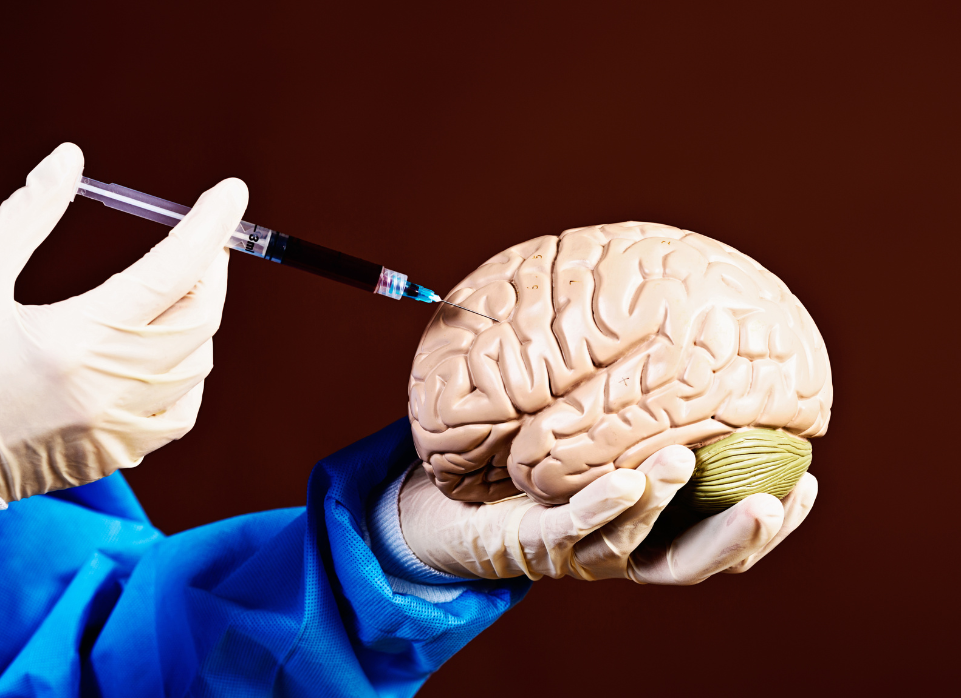
Siddhant Hospital & Research Center, Kolhapur, is home to a highly experienced Brain Tumour Surgeon in Kolhapur, offering advanced diagnosis, planning, and surgical treatment for patients with brain and central nervous system tumours. Our neurosurgical team combines modern technology with a compassionate, patient-first approach to deliver safe, precise, and effective brain tumour surgery in Kolhapur.
Whether the tumour is benign or malignant, small or complex in location, our specialists carry out a detailed evaluation before recommending the right treatment path — always with the goal of protecting healthy brain tissue and preserving neurological function.
Dr. Kaustubh Waikar leads the Neurosurgery Department at Siddhant Hospital, bringing over two decades of experience in the diagnosis and treatment of complex brain and spine conditions. With advanced training in neurosurgery and neuro-spinal surgery, he specialises in the surgical management of brain tumours using modern diagnostic and surgical techniques. Recognised among patients seeking the Best Neurosurgeon in Kolhapur, Dr. Waikar focuses on personalised treatment, patient safety, and preserving neurological function while delivering advanced neurosurgical care.
Siddhant Hospital & Research Center provides comprehensive evaluation, diagnosis and treatment for brain tumours with advanced neurosurgical care, modern infrastructure and patient-focused recovery support.
Expert evaluation and neurosurgical care.
Emergency & Consultation
+91 8585853018 +91 9860395952A brain tumour is an abnormal growth of cells within the brain or the tissue surrounding it.
Tumours may be benign or malignant. Regardless of type, a brain tumour can put pressure on surrounding brain tissue and affect normal brain function, which is why timely evaluation by a specialist is essential.
Benign brain tumours are generally non-cancerous and typically slow-growing. However, they may still require treatment if they affect important areas of the brain.
Malignant tumours are cancerous and may grow faster or spread into surrounding brain tissue, requiring specialised evaluation and treatment.
Recognising brain tumor symptoms early can help ensure timely evaluation and appropriate treatment.
Persistent or worsening headaches, especially in the morning.
Nausea or vomiting without an obvious cause.
Blurred vision or double vision.
Seizures, particularly in someone with no prior history of epilepsy.
Weakness or numbness in an arm or leg.
Difficulty with balance, coordination or walking.
Difficulty speaking, understanding or remembering.
Sudden personality or behavioural changes.
The exact brain tumor causes are not fully understood in most cases.
Certain factors such as genetic conditions, prior radiation exposure and family history may increase risk. Age and environmental factors can also play a role, though many brain tumours occur without any identifiable cause.
Tumours arising from the brain's supportive glial cells, including astrocytomas and glioblastomas.
Typically benign tumours forming in the membranes covering the brain and spinal cord.
Growths affecting the pituitary gland and hormone regulation.
Benign tumours affecting the nerve connecting the ear to the brain.
Cancer that has spread to the brain from another part of the body.
Our approach to brain tumour treatment is built around the individual patient.
After a thorough diagnostic workup — including MRI, CT imaging and neurological assessment — our team designs a treatment plan tailored to the tumour's type, size, location and the patient's overall health.
Surgical removal of the tumour where appropriate.
Radiation treatment based on tumour type and clinical requirements.
Medication-based treatment where indicated.
A combination of surgery with additional therapies.
Monitoring for selected slow-growing or inoperable tumours.
Surgical treatment depends on the type, size and location of the tumour.
Opening a section of the skull to access and remove the tumour.
Removing a small tissue sample to confirm diagnosis when complete removal is not immediately possible.
Using small incisions and specialised instruments for selected tumour locations, including some pituitary tumours.
Removing as much of the tumour as safely possible when complete removal carries high risk.
Siddhant Hospital & Research Center is a leading multi-specialty hospital located in Shenda Park, Kolhapur, offering round-the-clock care.
Years of Experience
Hospital Beds
ICU Beds
Recovery after brain tumour surgery is closely monitored in our ICU and neurosurgical ward.
Our team focuses on managing post-operative complications, supporting neurological recovery and guiding patients through physiotherapy and rehabilitation where needed, helping them regain strength, mobility and independence as smoothly as possible.
If you or a family member needs expert evaluation or treatment for a brain tumour, the team at Siddhant Hospital & Research Center is here to help — with the experience, technology and compassionate care needed at every step.